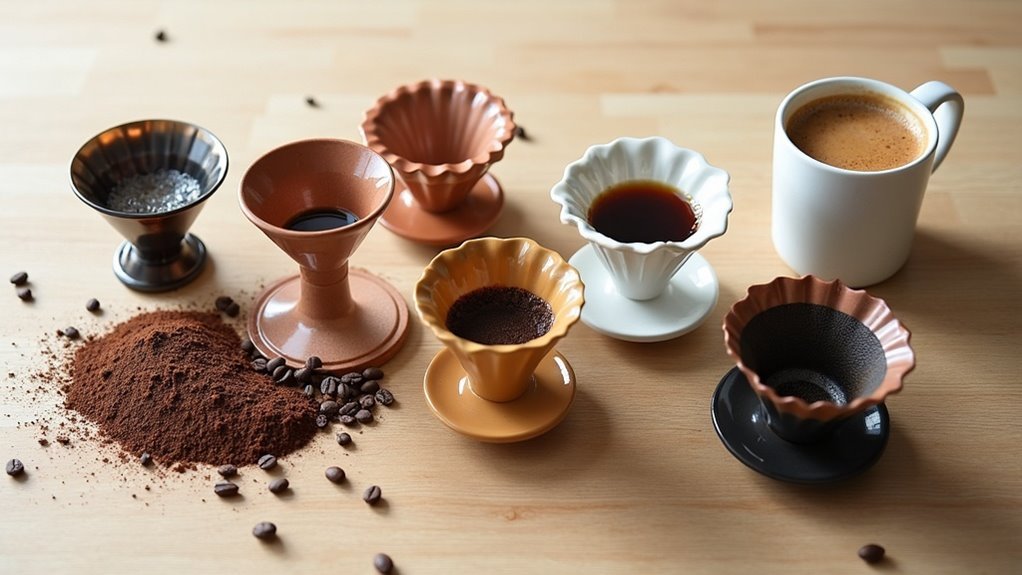
Coffee tastes fruity due to several interrelated factors. The type of beans you choose, particularly Arabica or specific varietals, plays a significant role in flavor profile. Harvesting ripe cherries and employing natural processing methods enhances the absorption of sweetness and fruity notes in the coffee. Additionally, high-altitude growing conditions contribute to greater sugar accumulation and acidity, which elevate the fruity flavors. The roasting process also significantly influences the final taste, with lighter roasts preserving these fruity characteristics more effectively. For a deeper understanding of these elements and how they impact the flavor of your coffee, explore the nuances further.
Key Takeaways
- Coffee varieties, particularly Arabica and specialty beans, possess unique genetic traits that contribute to their fruity tasting notes.
- Cultivating coffee at high altitudes enhances its acidity and sweetness, which in turn promotes the development of fruity flavors.
- Natural processing methods allow coffee beans to absorb sugars from the cherries, intensifying their fruity characteristics during the drying phase.
- Lighter roasts are more effective at preserving fruity notes, as higher roasting temperatures can diminish these delicate flavors.
- Freshness plays a vital role; coffee is best enjoyed within 2-3 weeks of roasting to maintain its fruity essence.
Causes of Fruity Coffee Taste
While you might enjoy the delightful fruity notes in your coffee, several factors contribute to this unique flavor profile.
Different coffee varieties possess genetic traits that lead to inherent fruity tasting notes. Additionally, high-altitude coffees thrive in conditions that enhance acidity and fruitiness, impacting the overall flavor profile.
Different coffee varieties and high-altitude conditions uniquely enhance fruity tasting notes, shaping a remarkable flavor profile.
Natural processing allows beans to absorb sugars and flavors from the cherries, further intensifying these fruity characteristics.
The roasting profile also matters; lighter roasts maintain these notes better than darker ones, which can overshadow them.
Finally, freshness is essential—coffee is best enjoyed within 2-3 weeks post-roasting to savor its delicate flavors.
Coffee Bean Selection
Selecting the right coffee beans is essential for achieving those sought-after fruity flavors in your cup. Focus on Arabica beans, which offer delicate, fruity, and floral notes compared to the earthier Robusta.
Specialty coffee beans are ideal, as they showcase complex flavor profiles that enhance fruity characteristics. Consider the bean variety and genetics, as specific varietals are known for their fruity traits.
Additionally, prioritize freshness; reputable roasters provide fresher options that better preserve these flavors.
Finally, understanding coffee origins and processing methods can guide your coffee bean selection, ensuring you choose beans that naturally exhibit those delightful fruity notes.
Harvest and Processing
The way coffee cherries are harvested and processed plays an essential role in developing the fruity flavors you experience in your cup. The harvesting method affects the quality of cherries; ripe ones yield vibrant coffee, while under- or over-ripe cherries can introduce undesirable notes.
Processing methods like the natural process enhance fruity notes in coffee, as beans dried inside the cherries absorb sweetness during drying. Sun-drying also develops oils and sugars, adding complexity to the flavors.
Ultimately, the chosen processing method can greatly influence your preference, shaping the specific fruity characteristics you enjoy in each brew.
Roasting
When you roast coffee, the temperature you choose greatly impacts the fruity flavors that emerge.
Lighter roasts tend to preserve these notes better, while higher temperatures risk overpowering them with bold flavors.
Additionally, different coffee varietals respond uniquely to various roast levels, making it essential to select the right profile to highlight those desirable fruity characteristics.
Roasting Temperature Impact
Understanding how roasting temperature impacts coffee flavor is essential for anyone looking to appreciate the intricate profiles of their brew. The roasting temperature considerably affects the development of fruity flavors in coffee beans.
| Roast Type | Temperature Range | Flavor Profile |
|---|---|---|
| Light Roast | 350°F – 400°F (175°C – 204°C) | Bright, fruity flavors |
| Medium Roast | 400°F – 450°F (204°C – 232°C) | Balanced with nuttier notes |
| Dark Roast | Above 450°F (232°C) | Robust, smoky taste, less fruity |
Light roasts preserve the natural sweetness of the beans, enhancing their fruity characteristics, while dark roasts often mask these inherent notes, resulting in a more robust and smoky flavor profile. Understanding these differences can enhance your coffee-drinking experience, allowing you to select the roast that best suits your palate.
Roast Level Variation
While many coffee enthusiasts focus on the roast type, the variation within roast levels can greatly influence the fruity flavor profile of your brew.
Lighter roasts, particularly in the light to medium range, preserve higher acidity and sugars, showcasing vibrant flavor notes. In contrast, longer roasting times can mask these nuances with bolder, roasted tastes.
- Lighter roasts maintain fruity notes through careful roasting processes.
- The Maillard reaction enhances sweetness and fruity flavors at lower temperatures, making for a more flavorful cup.
- Controlled roasting profiles are essential for highlighting the unique characteristics of specialty coffee beans, ensuring that each brew reflects its origin and quality.
Understanding these variables can elevate your coffee experience, allowing you to fully appreciate the complexity of flavors in each cup.
Altitude Effects
When you consider high-altitude coffee, you’re looking at beans cultivated above 1,200 meters, where cooler temperatures slow cherry maturation and enhance flavor complexity.
This slower development leads to greater sugar accumulation and a bright acidity that often translates to fruity notes reminiscent of citrus or green apple.
The unique terroirs at these elevations further shape the vibrant profiles that coffee enthusiasts crave, setting high-altitude beans apart from those grown at lower elevations.
High-Altitude Flavor Profiles
Coffee grown at high altitudes, typically above 1,200 meters (4,000 feet), offers a unique flavor experience largely due to the cooler temperatures that slow down the ripening of coffee cherries.
This environment allows high-quality coffee beans to develop complex flavor profiles with vibrant acidity.
- The unique soil composition enhances fruity notes.
- Cooler climates promote sweetness and complexity.
- Regions like Colombia and Ethiopia are prized for their distinct fruity coffees.
These factors contribute to the nuanced flavors sought after by specialty coffee enthusiasts, making high-altitude coffee a remarkable choice for those who appreciate a rich, fruity experience.
Bright Acidity Characteristics
Bright acidity is a defining characteristic of high-altitude coffee that significantly enhances its flavor profile.
When coffee is cultivated above 1,200 meters, the cooler temperatures slow the maturation of the coffee cherries, allowing for a more complex flavor development. This unique environment boosts the concentration of acids and sugars, resulting in a vibrant and fruity taste.
You may detect a sharper acidity reminiscent of citrus fruits like lemon or lime, which sets high-altitude coffees apart from those grown at lower elevations.
Furthermore, the distinct terroir—shaped by soil composition and climate—further amplifies the fruity characteristics of the coffee, contributing to the higher quality ratings desired by specialty coffee enthusiasts.
Enhanced Fruity Complexity
How does altitude influence the fruity complexity of coffee? High-altitude coffee, cultivated above 1,200 meters, matures slowly in cooler temperatures, which intensifies flavor concentration. This results in vibrant acidity, often evoking citrus and other fresh notes.
Additionally, the mineral-rich soil at these elevations enhances the coffee’s complexity and richness.
- Varietals such as Geisha and SL28 flourish in high altitudes, showcasing pronounced fruity characteristics.
- The cooler air promotes brighter, more vibrant taste profiles.
- Selective harvesting ensures only the finest cherries are picked, amplifying the fruity essence.
These factors contribute to the popularity of high-altitude coffee among coffee enthusiasts.
Brewing Technique Influences
While many factors contribute to the flavor profile of your coffee, the brewing technique you choose plays a vital role in accentuating fruity notes.
Selecting the right coffee-to-water ratio can enhance fruity essence; lower ratios typically yield a more vibrant taste profile. Brew time is equally important; shorter times preserve delicate fruity flavors, while longer extraction risks bitterness.
Grind size must also be considered; a finer grind increases surface area, promoting quicker extraction of fruity notes when balanced properly.
Finally, using filtered water at ideal temperatures guarantees the best extraction of fruity acids and aromas, further enhancing your coffee experience.
Adjusting Coffee Taste
Adjusting the taste of your coffee involves a careful balance of various factors that influence flavor extraction. For coffee lovers, fine-tuning these elements can enhance the fruity notes in your brewed coffee.
Fine-tuning coffee brewing techniques can elevate fruity flavors and enhance your overall coffee experience.
- Adjust grind size to control acidity and highlight fruity flavors.
- Experiment with brewing methods like pour-over or cold brew to showcase different profiles.
- Maintain a suitable coffee-to-water ratio for concentrated fruity flavors.
Additionally, using water between 195°F to 205°F guarantees ideal extraction, while letting your coffee rest for a few minutes deepens the aroma.
These steps can greatly improve your coffee experience.
Choosing the Right Coffee Beans
Choosing the right coffee beans is essential for elevating the fruity notes in your brew, as the specific variety and quality of beans greatly impact flavor.
Arabica beans, renowned for their delicate and fruity flavor profile, are the ideal choice. Look for specialty coffee beans sourced from high-altitude regions, where the unique climate and soil conditions enhance those fruity characteristics.
Freshness is crucial, so aim to consume your beans within 2-3 weeks of roasting for the best flavor experience.
Additionally, familiarize yourself with processing methods; natural or dry processing can significantly enhance those desirable fruity flavors.