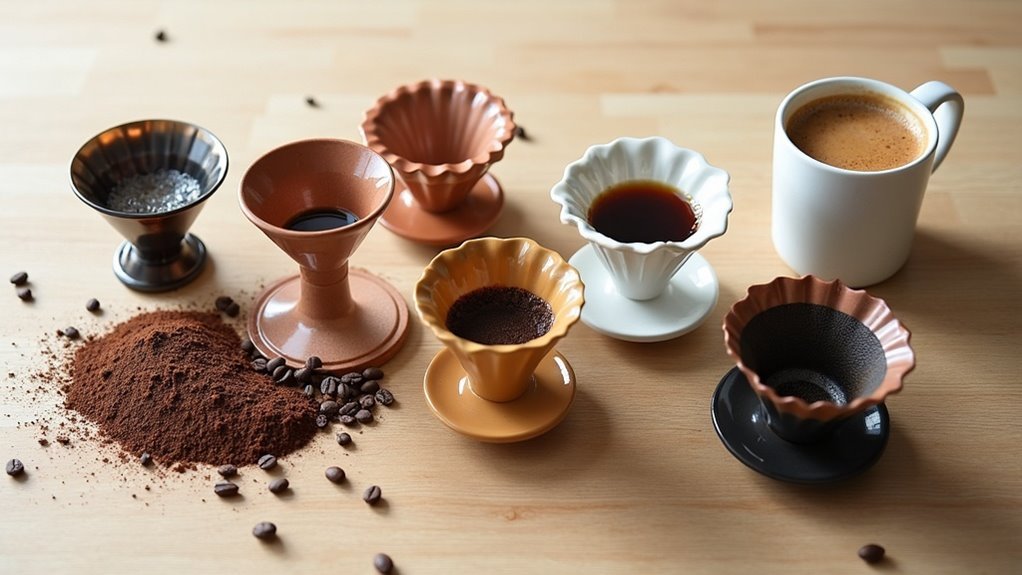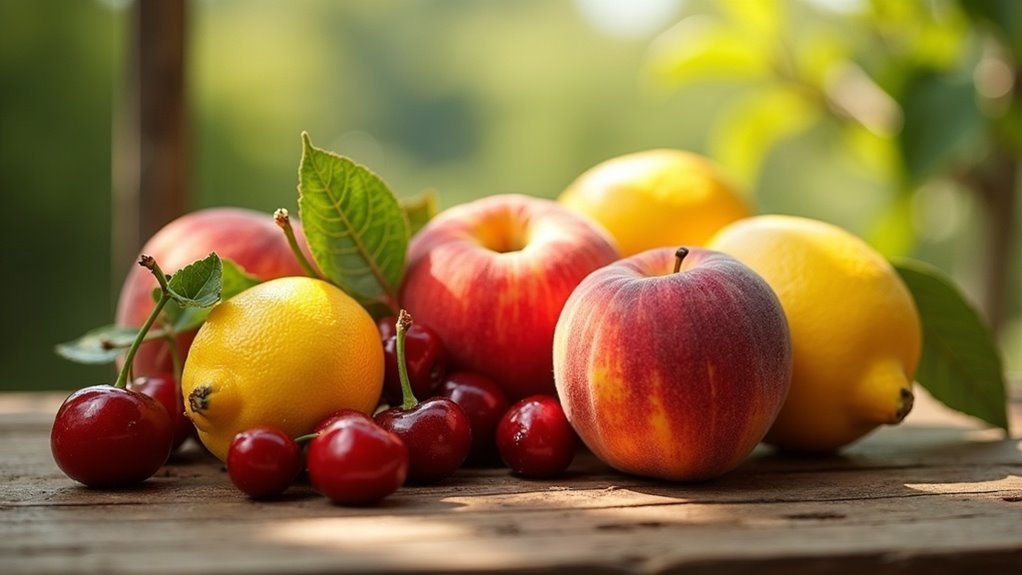
When you think of fruity coffee origins, imagine vibrant flavors reminiscent of berries, citrus, and tropical fruits. Regions like Ethiopia and Colombia showcase these exceptional profiles, often celebrated by coffee aficionados. These beans can surprise you with bright acidity and floral notes, making each cup a delightful experience. The journey of these flavors reflects the artistry of coffee production. If you explore deeper, you’ll uncover even more about the fascinating world of coffee tasting.
Key Takeaways
- Ethiopian coffee beans are renowned for their vibrant fruity notes, often exhibiting flavors like blueberry and citrus, making them a favorite among coffee enthusiasts.
- Colombian coffees typically present a balanced profile with fruity undertones, including apple and caramel, offering a delightful experience for those who appreciate nuanced flavors.
- Kenyan coffee is celebrated for its bright acidity and fruity flavors, such as blackcurrant and citrus, which contribute to its bold and refreshing character.
- Costa Rican coffees often showcase a variety of fruits, with notes of strawberry and tropical fruit, perfect for those seeking a lively and flavorful cup.
- Guatemalan coffee can offer complex fruity flavors, including plum and cherry, depending on the region and processing method, making it an intriguing choice for adventurous coffee drinkers.
Historical Roots of the Term “Fruity”
Although the term “fruity” might seem lighthearted today, its historical roots reveal a complex narrative shaped by societal attitudes.
In the context of coffee, “fruity” often describes the distinct flavors and aromas found in certain coffee beans, particularly those grown in specific regions with unique climatic conditions. This terminology emerged as coffee enthusiasts began to appreciate the diverse flavor profiles that different beans can offer.
Over time, the coffee community has embraced the term, celebrating its use to describe bright, vibrant notes reminiscent of fruits like berries, citrus, and stone fruits.
As a result, “fruity” has become a badge of honor among coffee connoisseurs, particularly among younger generations who enjoy exploring the rich tapestry of flavors in their brews.
Evolution From Derogatory to Empowering
As society evolves, so do the meanings attached to language, and the term “fruity” exemplifies this transformation beautifully, especially in the context of coffee.
The term “fruity” has transformed from a negative label to a celebration of vibrant, complex flavors in specialty coffee.
Once a descriptor for overly sweet or artificial flavors, “fruity” has been embraced by coffee enthusiasts to denote vibrant, complex tasting notes found in specialty brews. This shift reflects the evolving appreciation for diverse coffee profiles and the nuances of flavor.
- Rooted in coffee tasting terminology
- Originally associated with undesirable flavors in low-quality beans
- Embraced by baristas and coffee aficionados around the world
- Signifies cultural shifts toward gourmet coffee appreciation
- Reflects empowerment through an understanding of flavor complexity
Now, “fruity coffee” celebrates individuality, turning a once negative connotation into a vibrant symbol of quality and craftsmanship in the coffee community.
Contemporary Usage in Social Media
The evolution of the term “fruity” extends beyond the realm of coffee, where it initially described specific flavor notes. In the context of coffee appreciation, “fruity” refers to a range of flavors reminiscent of various fruits, adding complexity and depth to the tasting experience.
As coffee enthusiasts share their brews on social media platforms like Instagram and TikTok, the term has taken on a vibrant life of its own. Coffee lovers are proudly using “fruity” to describe their favorite beans and brews, showcasing the diverse and rich profiles that coffee can offer.
This shift highlights the power of language in the coffee community, transforming a simple descriptor into a celebration of flavor and craftsmanship. Through creative posts and engaging discussions, coffee aficionados are thriving, turning “fruity” into a symbol of exploration and appreciation in contemporary coffee culture.
Connections to Other LGBTQ+ Slang Terms
While diving into the rich world of coffee culture, you’ll find that terms like “brew” have deep connections to a tapestry of language that reflects the diversity of coffee enthusiasts.
This lively lexicon includes:
- “Coffee bean,” symbolizing the variety of flavors and profiles within the coffee community
- “Nutty,” describing the unique tasting notes found in different brews
- “Coffee buddy,” denoting friends who share a love for coffee
- “Caffeine fiend,” highlighting the passion for that perfect cup
- Reclaimed terms like “barista,” showcasing the artistry and skill behind crafting coffee
These connections reveal how coffee language evolves, creating a welcoming space for everyone to enjoy and celebrate their favorite brews.
Cultural Significance and Reclamation
Reclaiming the term “fruity” in the context of coffee not only reflects a shift in societal attitudes towards flavor profiles but also celebrates the diverse preferences of coffee enthusiasts.
Originally used to describe certain wine characteristics, “fruity” has evolved within the coffee community to signify vibrant and complex flavor notes. As you embrace this term, you honor the dedication of coffee growers and roasters who bring these unique flavors to life, showcasing the rich cultural significance of coffee around the world.
This reclamation mirrors a broader movement within the coffee industry, empowering voices and fostering a sense of community among coffee lovers. With newer generations leading the charge on platforms like social media, “fruity” symbolizes a growing appreciation for diverse coffee experiences, transforming traditional perceptions into a celebration of rich, authentic flavors.