Decaf coffee typically contains 2 to 15 mg of caffeine per 8-ounce cup, which is a significant reduction compared to the 95 mg found in regular coffee. The actual caffeine content can vary based on brewing methods, coffee bean quality, and preparation factors like grind size and immersion time. While decaf is a suitable option for caffeine-sensitive individuals, understanding how different brands and brewing techniques can affect caffeine levels will help you make an informed choice in your coffee selection.
Key Takeaways
- Decaf coffee typically contains between 2 to 15 mg of caffeine per 8-ounce cup, making it a lower-caffeine option for coffee lovers.
- In contrast, regular coffee has a much higher caffeine content, ranging from 95 to 200 mg per cup.
- The FDA permits decaf coffee to have a maximum of 15 mg of caffeine per serving, ensuring that it remains a decaffeinated choice.
- The brewing methods and preparation techniques used can affect the actual caffeine content found in decaf coffee.
- Some brands of decaf coffee are able to achieve an impressive caffeine reduction of up to 99.9%, offering a satisfying coffee experience with minimal caffeine intake.
Understanding Caffeine Content in Decaf Coffee
When you choose decaf coffee, it’s essential to understand that it still contains some caffeine, albeit in much smaller amounts than regular coffee.
On average, an 8-ounce cup of decaf coffee contains 5 to 10 mg of caffeine, considerably lower than the 95 to 200 mg found in regular coffee. The Food and Drug Administration allows up to 15 mg per serving.
Variability arises from the decaffeination process, with methods like the Swiss Water Process ensuring 99.9% less caffeine. Additionally, brewing methods and the amount of coffee used can influence caffeine levels, leading to differences from cup to cup.
Factors Affecting Caffeine Levels in Decaf
When you choose decaf coffee, the brewing method and bean quality play vital roles in determining its caffeine content.
Different brewing techniques can extract varying amounts of caffeine, while the quality of the beans used can also influence the final levels.
Understanding these factors helps you make more informed choices about your decaf coffee experience, ensuring you enjoy the best flavor and caffeine levels that suit your preferences.
Brewing Method Impact
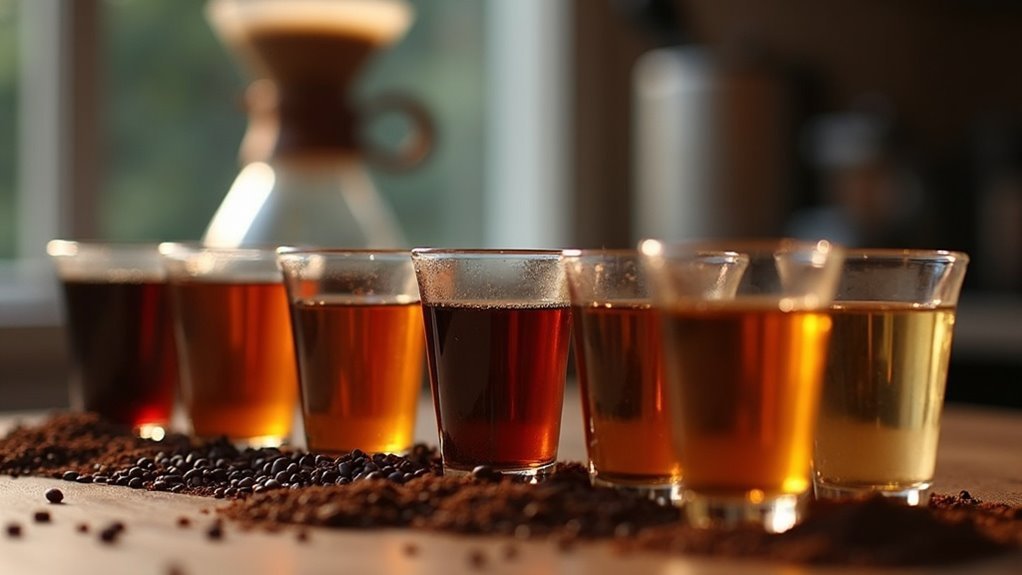
While many people assume decaf coffee has negligible caffeine levels, the brewing method you choose can greatly influence the caffeine content in your cup of coffee. Stronger brewing techniques can extract higher caffeine levels from decaf coffee.
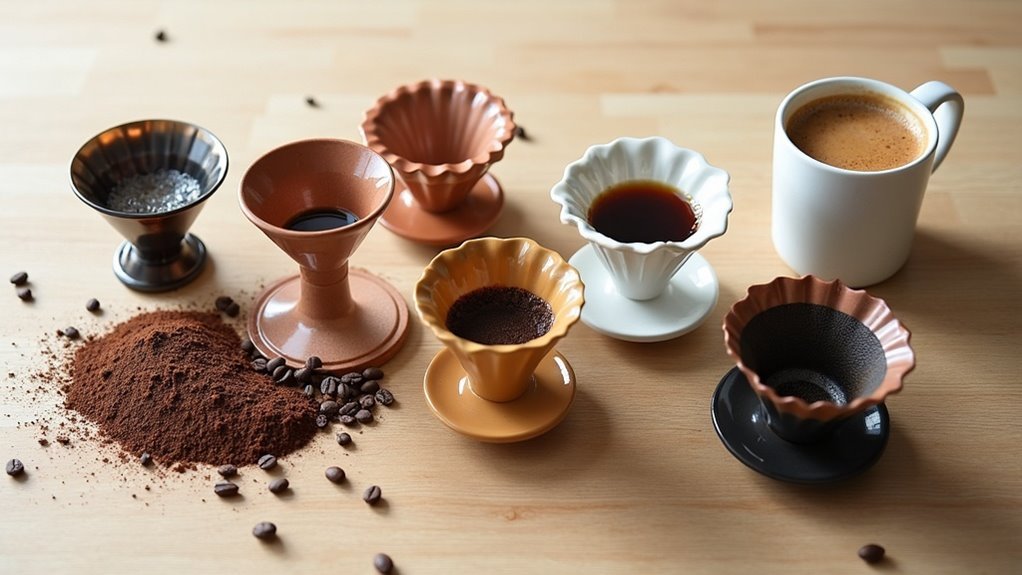
Factors like the amount of coffee grounds, grind size, and immersion time play essential roles in coffee preparation. For instance, using more coffee grounds or extending the brewing time can boost caffeine content in your coffee.
Additionally, brewing environments, such as a café versus home, may vary in equipment and techniques, affecting final caffeine levels in your cup. Personal experimentation is key to discovering the best brewing method and coffee beans that suit your coffee preferences.
Bean Quality Variations
The quality of coffee beans plays a crucial role in determining the caffeine levels in decaf coffee. Higher quality arabica beans typically contain less caffeine than robusta beans, even after the decaffeination process.
Methods like the Swiss Water Process are designed to retain optimal flavor while effectively removing caffeine, but some residual caffeine remains depending on the quality of the beans used.
Furthermore, the grind size can influence extraction rates, leading to variations in caffeine content across different coffee brands. Factors such as brewing method, water temperature, and immersion time also play significant roles in affecting caffeine levels.
Therefore, it’s essential to recognize that individual brands may produce different caffeine concentrations, even when employing similar decaffeination processes.
Comparing Caffeine in Decaf Coffee and Regular Coffee
How does decaf coffee compare to regular coffee in terms of caffeine content?
In an 8 oz cup of decaf coffee, you typically find between 2 to 15 mg of caffeine, while a cup of regular coffee contains around 95 mg.
The FDA permits decaf coffee to have up to 15 mg of caffeine, which represents a reduction of approximately 97%.
Notably, Starbucks decaf coffee can have anywhere from 15 to 25 mg of caffeine, depending on the size and brewing method.
Additionally, decaf coffee pods can vary, containing between 2 to 7 mg per cup.
Understanding these differences can help you make informed choices about the caffeine levels in your coffee beverages.
Decaf Coffee Brewing Methods and Their Impact
When brewing decaf coffee, the strength of your method plays an important role in the caffeine content you extract. For instance, using a French press or espresso machine can greatly increase caffeine levels compared to drip brewing.
Additionally, variables like brewing time and grind size further influence how much caffeine ends up in your cup, making personal experimentation essential for achieving your preferred caffeine level.
Remember that even decaf can contain some caffeine, so understanding your brewing method can help you enjoy your coffee just the way you like it.
Brewing Strength Variability
While many might assume that decaf coffee consistently contains minimal caffeine, the reality is that brewing methods can greatly influence the caffeine content in your cup of coffee.
Brew strength varies considerably, with stronger techniques extracting higher caffeine levels from the coffee beans. Factors like the amount of coffee used, water temperature, and immersion time all play vital roles in the extraction process, leading to variability in caffeine content.
For instance, using more coffee grounds or longer brewing times may enhance caffeine levels. Personal experimentation with different brewing methods can help you find the perfect balance of flavor and caffeine content for your taste.
Impact of Brewing Time
Brewing time plays a crucial role in determining the caffeine content of decaf coffee. Generally, longer extraction periods can lead to higher caffeine levels in your cup.
Using stronger brewing methods, such as increasing the amount of coffee grounds or using hotter water, can also enhance caffeine extraction from decaffeinated beans. This variation can result in differences of a few milligrams of caffeine per cup, which can affect your overall intake.
For instance, a decaf espresso shot brewed under high pressure can contain between 3 to 15 mg of caffeine, depending on the brewing time and method used.
Personal experimentation is vital to discover the ideal brewing time that meets your desired caffeine preferences.
Health Considerations for Decaf Coffee Consumers
While many coffee enthusiasts opt for decaf to reduce their caffeine intake, it’s important to understand the health implications associated with this choice.
Decaf coffee typically contains between 2 to 15 mg of caffeine per 8 oz cup, making it a suitable option for those who are sensitive to caffeine. Consuming decaf in moderation can provide various health benefits, such as enhanced memory and a lower risk of heart disease and type 2 diabetes.
The decaffeination process removes approximately 97% of the caffeine, with some brands achieving a 99.9% caffeine-free status. If you have particular health concerns related to caffeine, it’s advisable to consult healthcare professionals for tailored guidance on decaf coffee consumption.
The Role of Decaffeination Processes in Caffeine Removal
Decaffeination processes play an essential role in determining the caffeine content of decaf coffee, as they effectively strip the beans of most of their caffeine while preserving the flavor profile.
Methods of decaffeination, like the Swiss Water Process, can remove about 97% of caffeine, leaving only 0.1% in the final product.
While some techniques, such as solvent extraction, may result in higher residual caffeine levels of 1–3%, decaf coffee typically contains between 2 to 15 mg per 8 oz cup.
Understanding these processes ensures you select a truly caffeine-free option, enhancing your coffee experience without compromising safety.