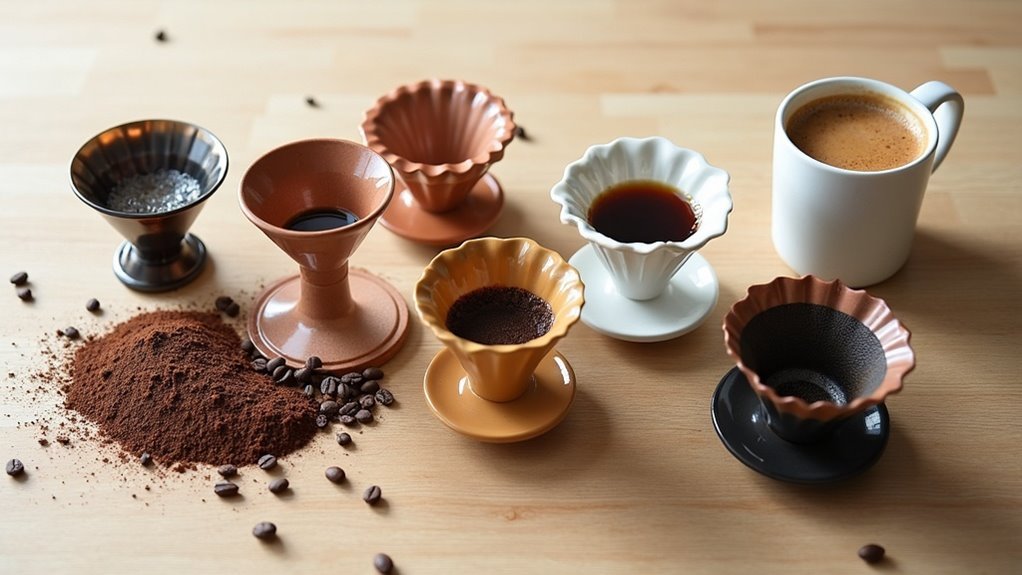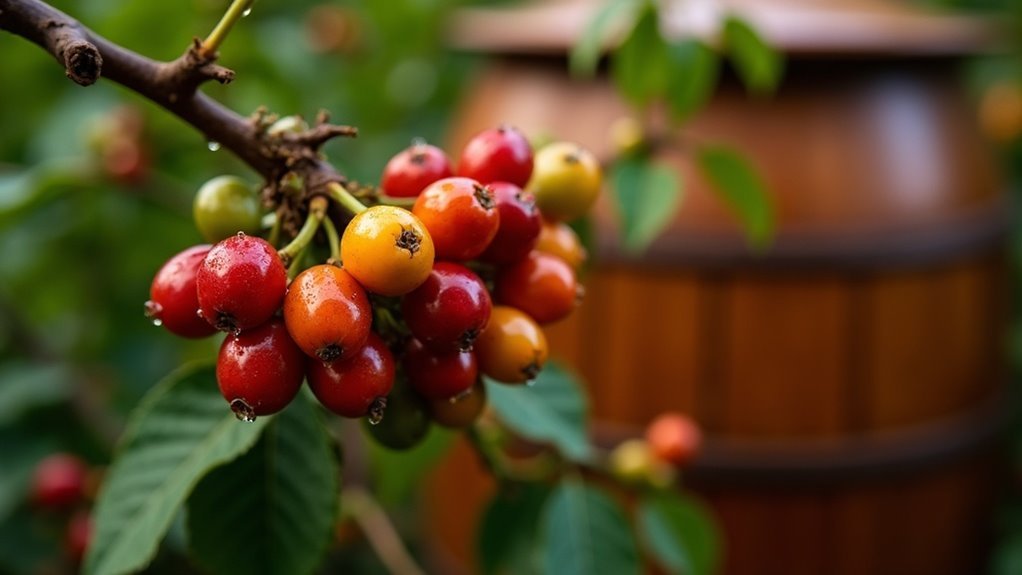
Lactic processed coffee refers to a fermentation method where lactic acid bacteria (LAB) are employed to enhance flavor complexity and natural sweetness in the beans. This anaerobic fermentation lasts over 80 hours, creating unique floral, fruity, and creamy notes that can elevate cup scores markedly. By carefully managing pH and oxygen levels, producers can develop distinctive taste profiles. Explore how this innovative process shapes the future of coffee and shifts consumer preferences towards unique flavor experiences. This website is dedicated to exploring the intricacies of coffee, including innovative processing methods like lactic fermentation.
Key Takeaways
- Lactic processed coffee features a unique fermentation method that utilizes lactic acid bacteria, significantly enhancing flavor complexity and overall quality.
- This process takes place under carefully controlled anaerobic conditions, allowing sugars to convert into lactic acid over an extended timeframe.
- As a result, it yields distinctive flavor profiles, introducing floral and fruity notes that complement rich chocolate and creamy flavors.
- The lactic fermentation process also improves mouthfeel, leading to a smoother, creamier texture with a medium-high lactic acidity.
- This innovative technique is perfect for adventurous coffee enthusiasts who are in search of unique and high-quality coffee experiences.
Understanding Lactic Fermentation in Coffee
Lactic fermentation in coffee is a fascinating process that occurs under anaerobic conditions, where lactic acid bacteria (LAB) play a crucial role in converting the sugars found in coffee cherry pulp into lactic acid.
This controlled fermentation method requires careful monitoring of pH levels and temperatures, often lasting more than 80 hours. LAB thrive in low-oxygen environments, which helps limit the growth of undesirable acetic acid bacteria, resulting in cleaner and more refined taste profiles.
This fermentation process enhances coffee quality, producing unique floral notes along with rich chocolate and cream flavors.
Additionally, using a 2-3% salt brine can promote LAB growth while inhibiting harmful microbes, ensuring optimal fermentation and ultimately improving the overall flavor profiles of your coffee.
The Lactic Process Explained
In the lactic process of coffee production, a controlled fermentation environment is created by sealing coffee cherries in tanks, which limits oxygen exposure and encourages the growth of lactic acid bacteria.
This careful management of conditions, such as pH and temperature, directly influences the flavor development process, allowing for the emergence of unique sensory profiles.
Controlled Fermentation Environment
To achieve ideal flavor development in coffee through the lactic process, coffee cherries are subjected to controlled fermentation within sealed anaerobic tanks.
This controlled fermentation environment promotes lactic fermentation methods, allowing Lactic Acid Bacteria (LAB) to thrive.
Monitoring variables like temperature and pH is essential, with optimal conditions targeting a pH of around 3.5.
High Brix levels and extended fermentation times of at least 80 hours facilitate significant acidification and sugar disintegration.
This process can remove up to 90% of glucose and fructose, resulting in a distinct flavor profile characterized by high lactic acid content and enhanced sweetness with a creamy mouthfeel.
This website is dedicated to exploring the intricate processes that enhance coffee flavor.
Flavor Development Process
The lactic process significantly enhances coffee flavor through a meticulous fermentation technique. This anaerobic fermentation, which utilizes lactobacillus bacteria, converts sugars into lactic acid, thereby elevating the coffee’s complexity. Careful monitoring of pH levels and temperature is crucial, with fermentation typically lasting a minimum of 80 hours.
| Aspect | Details | Impact on Flavor |
|---|---|---|
| Lactic Acid | Increased concentration | Sweeter, creamier notes |
| Acidity | Medium-high lactic acidity | Tropical fruit flavors |
| Environment | Low oxygen exposure | Unique flavor profile |
Ultimately, this process produces a distinctive coffee profile that is sure to delight your palate.
Flavor and Mouthfeel Impact
When you taste lactic processed coffee, you’ll notice a distinct combination of creamy mouthfeel and vibrant flavor notes, such as floral and fruity undertones.
The high lactic acid content contributes to a velvety body, enhancing sweetness and adding chocolatey and buttery nuances.
This unique sensory experience is largely due to the enzymatic reactions during fermentation, which significantly influence the final cup profile.
Flavor Notes Overview
Lactic processed coffee presents a captivating flavor profile that enhances the tasting experience beyond that of traditional coffees.
Through lactic fermentation, lactic acid bacteria boost sweetness and introduce flavors reminiscent of milk chocolate and tropical fruits. You’ll also discover floral and buttery notes, which contribute to a creamy mouthfeel that distinguishes specialty coffee.
Various fermentation techniques, such as salt-lactic and pulped lactic, create unique complexities, influencing the final cup profile.
As you enjoy each sip, anticipate a velvety texture and distinctive aftertastes, making every cup a delightful journey through the intricate flavors cultivated by innovative coffee producers.
Texture and Body
While exploring the texture and body of lactic processed coffee, you’ll discover a unique creaminess that distinguishes it from traditional brews.
This creaminess is a result of lactic acid bacteria during lactic fermentation, which enhances the cup profile with a luxurious, velvety body. The elevated levels of lactic acid contribute to a smoother mouthfeel and amplify sweetness, while floral and fruity notes add layers of complexity.
Various processing techniques, such as salt-lactic or pulped lactic, can further shape flavors and brightness, leading to distinct variations.
Ultimately, this harmonious blend of elements crafts a rich drinking experience that’s both delightful and safe for coffee lovers.
Methods of Lactic Fermentation
Fermentation techniques play an essential role in developing unique flavor profiles in coffee. You can achieve lactic fermentation through a couple of effective methods specific to coffee processing:
Fermentation techniques are vital for crafting distinctive flavor profiles in coffee, particularly through lactic fermentation methods.
- Inoculating coffee cherries with lactic acid bacteria (LAB) starters for controlled fermentation, enhancing the flavor complexity.
- Using a 2-3% salt brine solution to create a safe environment for LAB growth, which helps in developing desirable taste notes.
- Sealing coffee cherries in anaerobic tanks to minimize oxygen exposure, promoting a unique fermentation environment.
- Monitoring pH levels, targeting around 3.5 for ideal readiness, ensuring the coffee develops the right characteristics during fermentation.
Roasting and Brewing Lacto-Fermented Coffees
When roasting and brewing lacto-fermented coffees, it’s essential to understand how the unique characteristics developed during fermentation influence the final cup.
Tailoring roasting profiles to enhance sweetness and chocolate flavors is crucial, as the lactic fermentation process produces high lactic acid content.
Careful control over temperature and time during coffee roasting can maximize the sensory experience, allowing the complexity of flavors to shine through.
For brewing methods, pour-over techniques are highly recommended, effectively highlighting the distinct flavors of lacto-fermented coffees.
This meticulous approach rewards you with a unique flavor profile, setting these coffees apart from conventionally processed varieties.
Challenges of the Lactic Process
Despite the potential for unique flavor profiles, the lactic process in coffee production presents several challenges that can significantly affect the quality of the final brew.
It’s essential to consider:
- The necessity for strict control to promote the healthy growth of Lactic Acid Bacteria.
- Variability in fermentation due to environmental factors, which can lead to inconsistencies.
- The importance of maintaining ideal moisture content during drying to prevent defects.
- The risk of developing overwhelming bitterness if fermentation limits are exceeded.
Developing an effective fermentation processing method requires extensive knowledge and experimentation.
Without careful monitoring, you could easily end up with over-fermented coffee, which can compromise the desired flavor characteristics and ultimately affect the enjoyment of your cup.
Market Trends and Consumer Awareness
The challenges associated with the lactic fermentation process have sparked a notable interest in lactic fermented coffees among specialty coffee enthusiasts.
This innovative approach, which utilizes lactic acid bacteria, has shown significant potential by enhancing coffee quality and improving cup scores from 80 to 88 points.
However, it remains a niche segment, primarily appealing to adventurous drinkers rather than traditional consumers.
As awareness of coffee processing methods increases, there’s a growing demand for improved fermentation processes and innovative techniques.
This trend signals a shift in the coffee market, enabling producers to better navigate the complexities of lactic fermentation while delivering unique flavor profiles and superior quality that coffee lovers are eager to explore.
Future of Lactic Fermentation in Coffee
As consumer preferences shift toward unique and high-quality coffee experiences, lactic fermentation is poised to play a significant role in the specialty coffee market’s future.
You can expect:
- Enhanced flavor profiles through lactic acid bacteria (LAB), creating distinctive taste experiences.
- Improved processing techniques that attract coffee producers seeking innovative methods.
- A niche for lactic fermentation within the specialty coffee sector, appealing to adventurous coffee drinkers.
- A focus on sustainability, resonating with environmentally-conscious consumers.
With increasing consumer interest, lactic fermentation can deliver distinct flavor characteristics that set it apart from traditional methods, ensuring its relevance as the coffee landscape evolves.
Lactic fermentation offers unique flavor profiles that distinguish it from traditional coffee methods, ensuring its place in the evolving coffee landscape.
Embrace this innovative approach for a memorable coffee experience that elevates your appreciation for the beverage.