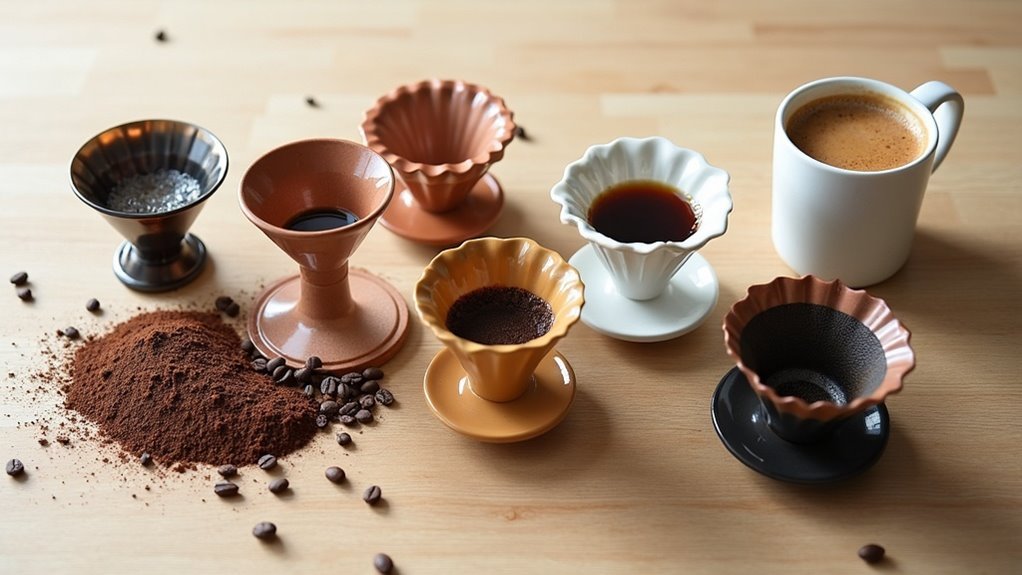
Coffee sweetness is an enchanting feature influenced by sugar content, roasting methods, and brewing techniques. It primarily comes from naturally occurring sugars like sucrose and fructose, especially present in Arabica beans. The roasting process amplifies these sugars through chemical reactions, creating deeper flavors and aromas. Your brewing technique matters too; the right water temperature and grind size can enhance sweetness. Explore how different coffee varieties and processing methods contribute to this delightful aspect for a richer coffee experience.
Key Takeaways
- Coffee sweetness primarily comes from natural sugars like sucrose, fructose, and glucose found in coffee beans.
- Arabica beans are generally sweeter than Robusta due to their higher sugar content, making them a popular choice among coffee enthusiasts.
- The roasting process enhances the sweetness of coffee through chemical reactions, particularly the Maillard reaction, which develops flavor and aroma.
- Processing methods, such as natural processing, significantly influence sweetness levels; naturally processed coffees are often the sweetest and most flavorful options available.
- Brewing techniques, grind size, and water temperature can all affect the extraction of sweetness in coffee, allowing for a customized brewing experience that highlights these delightful flavors.
Understanding Sweetness in Coffee
Sweetness in coffee is a complex interplay of various factors that can elevate your tasting experience. It primarily derives from sugars like sucrose, fructose, and glucose, with Arabica beans offering higher sugar levels than Robusta.
The roasting process enhances sweetness through chemical reactions, transforming these sugars into rich flavors. Your perception of sweetness is also influenced by aroma; fruity and floral notes can heighten it, while bitterness may detract.
Additionally, the processing methods play an essential role—naturally processed coffees often boast vibrant sweetness, whereas washed varieties tend to be less sweet, providing a diverse range of tasting experiences.
Factors Influencing Coffee Sweetness
When you explore coffee sweetness, consider how the varietal of the beans plays an essential role; Arabica’s higher sucrose content generally leads to a more pronounced sweetness than Robusta.
The processing methods you choose also make a significant difference; techniques that retain fruit sugars can enhance the overall sweetness of your brew.
Understanding these factors can help you appreciate the intricate flavors in your cup of coffee.
Coffee Varietals and Sweetness
While many factors influence the sweetness of coffee, the choice of varietal is one of the most significant. Arabica beans, known for their higher sucrose content, generally offer greater sweetness levels compared to Robusta.
Among coffee varietals, Bourbon stands out for its exceptional sweetness, while Pacamara may lean towards acidity.
Additionally, the environment where coffee cherries grow impacts their flavor; high altitudes and slow ripening enhance sweetness.
Processing Methods Impact
Processing methods play an essential role in shaping the sweetness of your coffee, with different techniques yielding distinct flavor profiles. Natural processed coffees typically showcase a fruit-forward sweetness, while washed coffees tend to be less sweet. Fermentation plays a vital role; when managed carefully, it enhances natural sweetness without introducing off-flavors. Additionally, high-altitude growing conditions increase sugar accumulation, further enriching the coffee’s sweetness. Here’s a comparison of common processing methods:
| Processing Method | Sweetness Level |
|---|---|
| Natural | High (Fruit Forward) |
| Washed | Moderate |
| Honey | Medium |
| Fermented | Variable |
| Dried | Low |
The Role of Roasting in Sweetness Development
When you roast coffee, the level of heat directly influences the sweetness you’ll experience in your cup.
The Maillard reaction, which occurs during roasting, transforms simple sugars into richer compounds, greatly shaping the flavor profile of your coffee.
By adjusting the roast level, you can reveal different levels of sweetness, from bright fruity notes in lighter roasts to deep, caramelized flavors in darker ones.
Enjoy exploring how roasting impacts your favorite brews!
Roast Level Impact
The roast level of coffee plays a pivotal role in shaping its sweetness, influencing both flavor and aroma.
During the roasting process, lower roast levels preserve the natural sugars in coffee, leading to a vibrant, fruity sweetness. As you explore medium and dark roasts, you’ll notice these sugars caramelize, creating complex flavors like chocolaty and caramelly notes.
Light-roasted coffee, with its higher sugar retention, offers a brighter profile, while medium roasts balance sweetness effectively, especially in Arabica beans.
Ultimately, the levels of sweetness in your cup depend not only on sugar content but also on the unique characteristics of each coffee varietal.
Maillard Reaction Effects
While you sip your coffee, take a moment to appreciate the fascinating chemistry occurring within the beans during roasting.
The Maillard reaction, a remarkable interaction between amino acids and reducing sugars, significantly enhances the sweetness of coffee. As the roasting time increases, this reaction becomes more pronounced, caramelizing sugars and creating aromatic compounds that enrich your sensory experience.
Light roasts maintain a fruity sweetness, while darker roasts unveil deep caramel and chocolate flavors. This transformation is crucial for developing the delightful, sweet profiles characteristic of specialty coffee.
The balance achieved through roasting directly impacts the complexity and richness you savor in every cup.
Aroma’s Impact on Perceived Sweetness
How does aroma elevate the sweetness of your coffee experience?
Aroma plays a crucial role in enhancing your perception of sweetness during coffee tasting. Fruity, fermented, and floral scents can make your coffee taste sweeter, even when the actual sugar content remains unchanged.
Notably, studies have shown that when tasters wore nose clips, their perception of sweetness decreased significantly, highlighting the importance of aroma. The brain associates sweet aromas with past experiences, creating a rich cross-modal perception.
Sweetness in Different Coffee Varieties
Aroma’s influence on sweetness sets the stage for exploring how different coffee varieties contribute to this flavor profile.
The sweetness you experience in coffee varies markedly based on several factors:
- Varietal Differences: Arabica beans generally offer more sweetness due to higher sucrose levels than Robusta.
- Notable Varietals: Bourbon is renowned for its pronounced sweetness, while Pacamara’s acidity can mask it.
- Coffee Origins: East African coffees typically present dense fruity sweetness, whereas Brazilian coffees feature chocolatey and nutty flavors.
Understanding these factors helps you appreciate the unique sweetness in each cup, stemming from the coffee cherries and their processing.
This website is dedicated to enhancing your knowledge and enjoyment of coffee.
Processing Methods and Their Effects on Sweetness
When exploring coffee sweetness, the processing methods employed play a crucial role in shaping the final flavor profile you experience.
Natural processed coffees often deliver a fruit-forward sweetness, retaining sugars and flavors from the coffee cherry. Fermentation techniques can enhance this sweetness, as careful processes develop desirable compounds while preventing unwanted sourness.
Additionally, post-fermentation drying methods, like sun-drying, concentrate sugars, resulting in a sweeter brew. High altitude and meticulous cherry selection contribute to greater sweetness by allowing slower ripening.
However, trade-offs exist; while some methods enhance sweetness, they might alter or lose other flavors, requiring a careful balance in the coffee-making process.
The Science Behind Sweet Flavor Compounds
Understanding the science behind sweet flavor compounds in coffee reveals a fascinating interplay between chemistry and perception. Here are three key aspects to reflect upon:
- Simple Sugars: The sweetness in coffee primarily arises from simple sugars like sucrose, which are created during the roasting process through the Maillard reaction and caramelization.
- Aroma Influence: The perception of sweetness in coffee often relies more on aroma and flavor compounds than on the actual sugar content, significantly enhancing your tasting experience.
- Complexity: Brewed coffee’s intricate chemical profile allows for the perception of sweetness from non-sugar compounds, making sweetness detection more complex.
This interplay underscores how sensory experiences shape your understanding of coffee sweetness.
Exploring Sweetness in Brewing Techniques
While the intricacies of coffee sweetness often come down to its chemical composition, the brewing technique you choose plays a vital role in enhancing those sweet nuances.
Precision in weighing ingredients and timing can greatly elevate the sweetness in your cup of coffee. Controlling water temperature is essential; avoid boiling to preserve delicate sugars.
Different brewing techniques, like French Press or pour-over, can highlight various sweet flavor profiles in coffee. Adjusting grind size and brew time fine-tunes extraction, allowing tasting notes of sweetness to shine through.