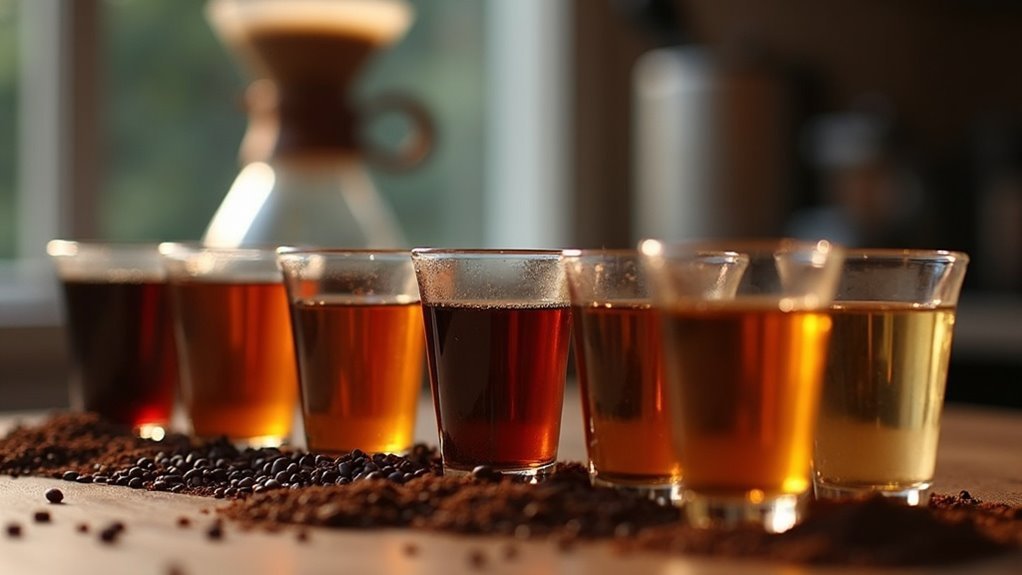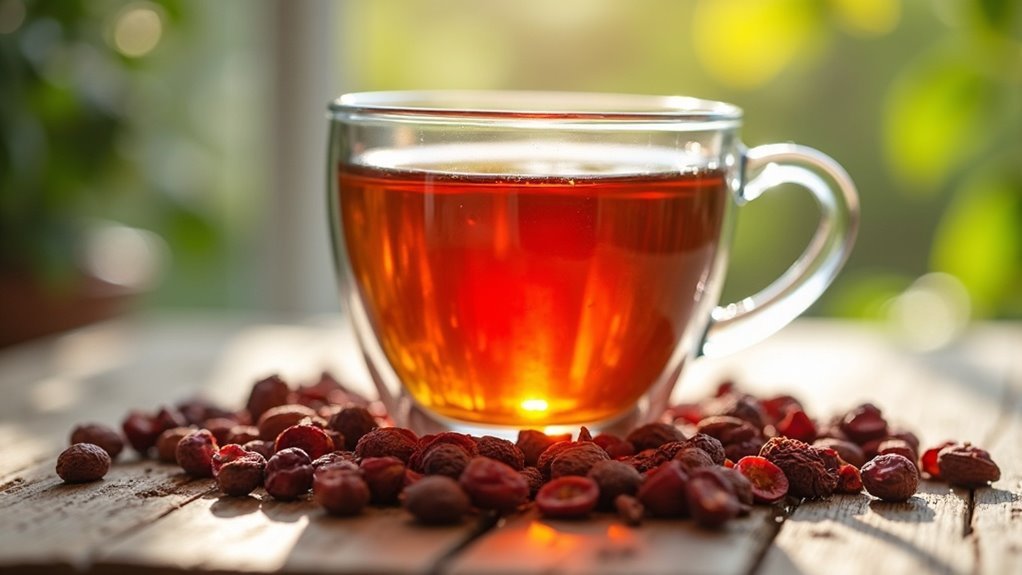
Cascara is legal in the United States, and you can find it widely available in specialty coffee shops and online without the regulations seen in other regions. Unlike the EU, which classifies cascara as a novel food and imposes strict rules, the U.S. allows unrestricted sale and consumption. However, ensuring safety is vital, so it’s wise to source cascara from reputable suppliers. If you’re interested in enhancing your coffee experience, exploring the unique flavors and health benefits of cascara can be a delightful addition to your coffee journey.
Key Takeaways
- Cascara, a byproduct of coffee cherries, is legal for unrestricted sale and consumption in the United States.
- It is not classified as a novel food, which simplifies its regulatory status within the coffee industry.
- There are no specific safety regulations governing cascara in the U.S., making it accessible for coffee enthusiasts.
- Consumers are advised to source cascara from reputable suppliers to ensure quality, especially when used in coffee blends or beverages.
- Cascara’s growing popularity among coffee lovers reflects a trend towards unique and health-conscious beverage options derived from coffee.
What Is Cascara?
Cascara, the dried outer skin of coffee cherries, offers a unique twist to traditional coffee beverages. This ingredient, often produced during coffee processing, has a sweet and fruity flavor profile.
With about 111 mg of caffeine per liter, it’s considerably lower than brewed coffee, making it a milder choice. Consumed for centuries in Yemen and Ethiopia, cascara is gaining traction among health-conscious coffee lovers due to its richness in antioxidants and essential nutrients.
While it’s available in specialty coffee shops and online in the United States, it faces different regulatory challenges compared to the European Union.
Legal Status of Cascara in the United States
In the United States, cascara enjoys a legal status that allows for its widespread availability in specialty coffee shops and online platforms.
Cascara’s legal status in the U.S. fuels its popularity in specialty coffee shops and online.
Unlike the European Union, the U.S. doesn’t classify cascara as a novel food, simplifying its regulation. This legal standing has fueled its popularity among health-conscious consumers and coffee enthusiasts.
While there are no specific regulations governing its safety, it’s essential for coffee lovers to be mindful of quality and sourcing when purchasing cascara.
For coffee producers, this availability represents a significant opportunity to monetize what was once considered a waste product, enhancing sustainability within the coffee industry.
Health and Safety Regulations for Cascara
While cascara’s legal status in the U.S. allows for its availability, coffee enthusiasts should remain vigilant about health and safety considerations.
Unlike the EU, the U.S. lacks stringent regulations for cascara consumption, leaving quality control largely in your hands. The FDA hasn’t issued specific safety guidelines, making it imperative to source cascara from reputable coffee suppliers to avoid potential mold or toxins.
Proper drying processes are essential to prevent contamination, emphasizing the need for responsible sourcing in the coffee community. Given its rising popularity among health-conscious individuals, increased research into cascara’s health benefits and safety is important to guarantee consumer protection and product quality in the coffee industry.
Comparisons With International Laws on Cascara
When you compare the legal status of cascara in the United States with regulations in the EU and UK, significant differences emerge.
In the U.S., cascara can be sold and consumed without the need for specific approvals, making it widely accessible to coffee enthusiasts.
In contrast, the EU classifies it as a novel food, imposing strict regulations that limit its availability in the market.
The UK’s approach also requires safety proof but allows for its sale under food safety guidelines, reflecting a more flexible stance compared to many EU countries, which can impact how coffee lovers enjoy cascara globally.
US Legal Status
Though cascara enjoys a relatively unrestricted legal status in the United States, its treatment under international law highlights significant differences, particularly with regulations in the European Union and the United Kingdom. In the U.S., cascara is readily available, reflecting a growing acceptance among coffee enthusiasts who appreciate unconventional coffee byproducts.
| Aspect | United States | European Union |
|---|---|---|
| Legal Status | Not banned | Classified as novel food |
| Regulation Level | Minimal | Strict approval needed |
| Market Potential | High | Limited |
| Consumer Access | Easy | Difficult |
EU and UK Regulations
Understanding the regulatory landscape for cascara in the EU and UK reveals stark contrasts with the more permissive environment in the United States, particularly in the context of the coffee industry. Here are key points to take into account:
- The European Union has banned cascara due to safety concerns and the Novel Food Regulation requiring proof of historical consumption before 1997, impacting its availability for coffee enthusiasts.
- The UK permits cascara under strict safety regulations, offering an alternative for coffee lovers that differs from the EU’s ban.
- A recent study deemed cascara safe under specific conditions, yet the slow approval process complicates its market entry in the EU, affecting its presence in coffee-related products.
For consumers, ensuring product quality remains essential, especially in the growing market for coffee products that incorporate cascara.
Popularity and Market Trends of Cascara in the U.S
Cascara is gaining traction among health-conscious coffee enthusiasts who are seeking unique, low-caffeine alternatives.
Specialty coffee shops are embracing cascara, integrating it into their menus to craft innovative beverages that appeal to a wide range of customers.
This trend aligns with the growing demand within the coffee market for options that aren’t only flavorful but also sustainable, further highlighting cascara’s appeal in the coffee community.
Growing Consumer Interest
As consumers increasingly prioritize unique beverage options, cascara has emerged as a remarkable player in the U.S. coffee market, reflecting a growing interest in low-caffeine alternatives.
Its rise in popularity can be attributed to several factors:
- Health-Conscious Choices: Many coffee enthusiasts prefer low caffeine content for a gentler energy boost without compromising on flavor.
- Sustainability: Cascara, a sustainable product, utilizes a byproduct of coffee production, appealing to eco-friendly consumers who care about their coffee’s environmental impact.
- Innovative Uses: It’s now appearing in various forms, from syrups to teas, enhancing its presence in both specialty coffee shops and home brewing.
This trend indicates a desire for both unique flavors and health benefits among American coffee consumers.
Specialty Coffee Shops
The surge in consumer interest for cascara has prompted specialty coffee shops across the U.S. to embrace this unique ingredient, positioning it as a trendy alternative in modern coffee beverage offerings. Cascara is appealing to health-conscious coffee drinkers, offering low caffeine and antioxidant benefits. Coffee farmers benefit by diversifying income streams through its natural process. Shops are crafting innovative cascara-infused coffee beverages, attracting both coffee enthusiasts and tea drinkers. Despite its growth, cascara remains underutilized, presenting a significant opportunity for cafes to enhance their coffee menus.
| Type of Beverage | Caffeine Level | Target Audience |
|---|---|---|
| Cascara Latte | Low | Coffee Enthusiasts |
| Cascara Tea | Very Low | Tea Drinkers |
| Cascara Cold Brew | Low | Health-Conscious |
| Cascara Smoothie | Low | Wellness Seekers |
Health Food Market
Cascara is rapidly emerging as a popular choice in the U.S. coffee market, attracting a diverse audience keen on healthier beverage alternatives.
Its rise can be attributed to several factors:
- Low-caffeine option for health-conscious coffee lovers.
- Rich antioxidant content promoting digestion and cardiovascular health.
- Sustainable product that supports coffee farmers by utilizing coffee cherries.
As cascara finds its place in cafés and online platforms, its appeal continues to grow within the coffee community.
This innovative beverage not only offers unique flavors but also aligns with the demand for sustainable and health-focused coffee products.
How to Purchase and Use Cascara
Finding and preparing cascara is straightforward, thanks to its legal status in the United States. You can purchase this dried cherry from specialty coffee retailers or online, such as Amazon and roasters like Verve Coffee and Tico Roasters.
For brewing, use three tablespoons of dried cascara per 10-ounce cup of water for hot drinks, or five tablespoons per liter for cold infusions. You can employ various brewing methods, including tea strainers or French presses, steeping for several minutes or overnight for a revitalizing infusion.
Since cascara isn’t widely available at traditional coffee shops, online purchasing is often your best option for enhancing your coffee experience.
Future Prospects for Cascara in the U.S. Market
As consumer demand for unique coffee beverages rises, the future prospects for cascara in the U.S. market appear promising. The growing interest in health-conscious and sustainable products positions cascara for significant market growth.
Cascara’s potential in the U.S. market is bright, driven by rising consumer demand for health-conscious and sustainable coffee options.
You might consider the following trends:
- Integration in Specialty Coffee: Cascara could become a staple in coffee shops, enhancing menus and driving sales with innovative offerings.
- Product Innovation: Expect cascara-infused syrups and baked goods to attract diverse consumer preferences within the coffee community.
- Health Benefits: Its low caffeine and antioxidant properties may appeal to health-focused consumers seeking natural alternatives to traditional coffee.
These factors indicate a bright future for cascara in the evolving coffee landscape.