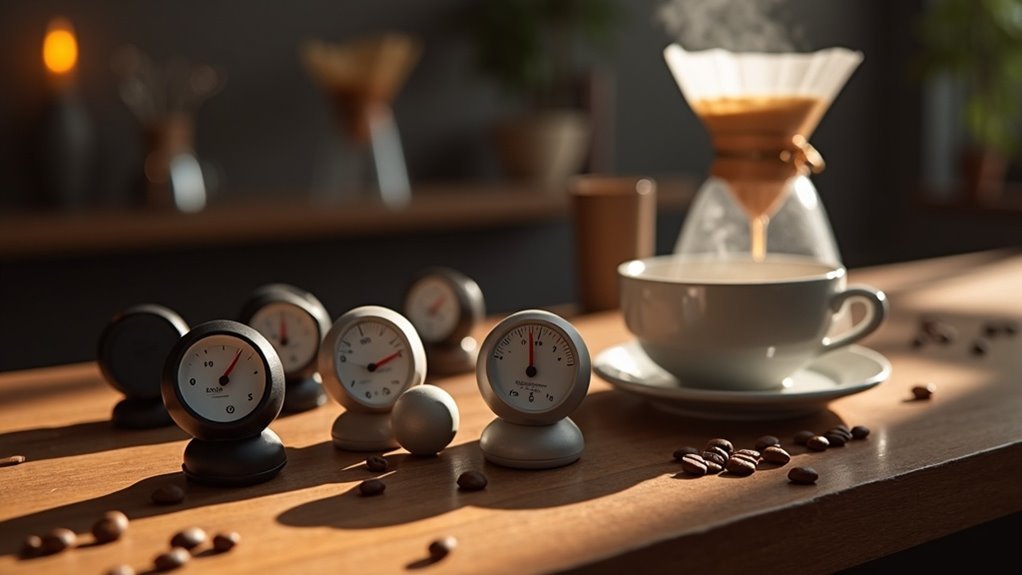
Yes, oat milk can curdle when added to coffee. This occurs because the acidity of coffee destabilizes the proteins in oat milk, particularly at high temperatures. Some brands of oat milk are more susceptible to curdling due to their specific formulations. To minimize curdling, consider using barista-style oat milk or warming your oat milk before mixing it into your coffee. Understanding these factors can enhance your coffee experience, making it worthwhile to explore the compatibility of oat milk with your favorite brews.
Key Takeaways
- Yes, oat milk can curdle in coffee due to the acidity and temperature of the coffee affecting its proteins.
- Curdling occurs when cold oat milk is added to hot coffee, causing temperature shock.
- Different oat milk brands vary in their tendency to curdle, influenced by protein and fat content.
- Using barista-style oat milk and warming it before adding can help prevent curdling in your coffee.
- Low-acidity coffee varieties can also reduce the likelihood of oat milk curdling, ensuring a smoother blend.
What Is Curdling?
Curdling is a fascinating chemical reaction that can occur when adding certain types of milk, like oat milk, to hot coffee. This happens when the proteins in the oat milk separate from the liquid, forming small lumps known as curds.
The acidity of coffee plays a significant role in this process, as it can denature the proteins in the oat milk. The lower pH of coffee compared to oat milk, especially at high temperatures, triggers this reaction.
The acidity of coffee can denature oat milk proteins, causing curdling at high temperatures.
Curdling is generally undesirable, leading to an unappealing texture and appearance in your drink, which can detract from the overall coffee experience.
It’s also worth noting that different brands of oat milk may curdle differently due to variations in their protein and fat content.
Is It Normal for Oat Milk to Curdle in Coffee?
It’s common for oat milk to curdle in coffee, primarily because of the beverage’s acidity, which can destabilize the proteins in the milk.
This curdling effect is influenced by both the temperature of the coffee and the specific brand of oat milk used.
Oat Milk and Coffee Compatibility
While enjoying your morning coffee, you might find yourself curious about how oat milk pairs with your favorite brew.
It’s important to note that oat milk can sometimes curdle, particularly in acidic coffee, due to the interaction between the coffee’s acidity and the proteins in oat milk. To minimize the risk of curdling, try warming the oat milk before adding it to your coffee, and pour the oat milk into the coffee instead of the other way around.
Different brands of oat milk have varying levels of stability, with barista-style options typically performing better in coffee. Additionally, choosing lower-acidity coffee or diluting stronger brews can significantly decrease the chances of curdling when mixing with oat milk.
Causes of Curdling
When you add oat milk to coffee, the potential for curdling arises primarily due to the acidic nature of coffee, which can denature the proteins in oat milk.
This curdling can be influenced by several factors:
- Acidity: Strong or high-acidity coffee increases the likelihood of curdling.
- Temperature: Adding cold oat milk to hot coffee can shock the proteins, worsening separation.
- Oat Milk Composition: Different brands vary in their formulation; barista-style oat milks are more resistant to curdling.
Understanding these causes helps you choose your ingredients wisely and enjoy your coffee without unwanted texture.
Prevention Techniques
Curdling in oat milk when added to coffee isn’t just a random occurrence; it’s often a result of specific interactions between the two.
To prevent oat milk from curdling in your coffee, consider using barista-style oat milk, which is designed for better stability in hot beverages. Warming your oat milk to around 60°C (140°F) before adding it to your coffee can help minimize temperature shock.
Pour the oat milk slowly while stirring to ensure it integrates smoothly with the coffee. Additionally, choosing low-acidity coffee varieties, such as dark roasts or certain South American blends, can significantly reduce the chance of curdling, allowing you to enjoy a creamy and delicious cup of coffee.
Why Does Oat Milk Curdle in Coffee?
Oat milk curdles in coffee primarily due to the acidic nature of the brew, which destabilizes the proteins.
When you pour cold oat milk into hot coffee, the temperature shock intensifies this reaction, resulting in clumping.
Furthermore, the specific composition of various oat milk brands—differing in protein and fat content—can also affect the likelihood of curdling occurring in your coffee.
Acidic Coffee Interaction
As coffee’s acidity interacts with oat milk, it often leads to curdling due to the destabilization of oat milk proteins. Understanding this reaction can help you prevent separation in your beverages.
Here are key factors to take into account:
- The low pH of coffee (around 5 or less) destabilizes oat milk proteins.
- Different brands have varying protein and fat content, influencing curdling tendencies.
- Freshly brewed hot coffee exacerbates curdling by further denaturing proteins.
To maintain a smooth blend, consider using oat milk specifically designed for coffee, which can help minimize curdling.
Temperature Shock Effects
When you add cold oat milk to hot coffee, the sudden temperature change can trigger curdling, which is a common issue many coffee enthusiasts encounter.
This phenomenon, known as temperature shock, destabilizes the proteins in oat milk, causing them to coagulate and form curds. The high temperatures of hot coffee increase this risk, as oat milk’s composition—rich in fibers, oils, and proteins—is particularly sensitive to heat.
To prevent curdling and ensure a smooth coffee experience, consider gradually warming your oat milk before mixing it with your coffee. By minimizing the temperature differential, you can achieve a perfectly blended drink and enjoy your coffee without the unpleasant texture that curdled oat milk can create.
Brand Composition Differences
Despite the popularity of oat milk, not all brands are created equal, and their distinct compositions can greatly influence their performance in coffee.
Here are key differences to take into account when choosing oat milk for your perfect cup:
- Protein and Fat Content: These factors significantly affect the stability of oat milk in hot beverages like coffee.
- Additives: Some brands include stabilizers that help reduce the risk of curdling when mixed with coffee.
- Barista-Style Formulations: Specifically designed to withstand coffee’s acidity and temperature, these formulations often provide a better experience.
When selecting oat milk for your coffee, remember that experimenting with various brands can lead to a smoother and more enjoyable experience.
Opting for barista-style oat milks typically guarantees a more stable and enjoyable addition to your favorite coffee drink.
Why Do Some Brands of Oat Milk Curdle More Than Others?
The tendency for some brands of oat milk to curdle in coffee can largely be attributed to their varying compositions and formulations.
Different brands contain varying levels of proteins, fats, and stabilizers, which influence how they react when mixed with acidic coffee.
Barista-style oat milks, enriched with emulsifiers and added oils, are specifically designed to resist curdling better than standard options, making them ideal for coffee enthusiasts.
In contrast, homemade oat milk often lacks these commercial stabilizers, resulting in a thinner texture that’s more prone to separation in hot beverages.
Therefore, the choice of oat milk can significantly affect your coffee experience, especially regarding how well it maintains its consistency when added to your favorite brew.
How to Keep Oat Milk From Separating in Coffee
To keep oat milk from separating in your coffee, it’s essential to consider several key factors that influence its stability.
Keeping oat milk from separating in coffee involves understanding key factors that affect its stability.
Here are some tips to enhance your coffee experience:
- Opt for barista-style oat milk for optimal stability in coffee.
- Heat your oat milk to around 60°C (140°F) to reduce temperature shock when mixing with coffee.
- Select low-acidity coffee, such as a dark roast, to minimize the risk of curdling.
Does Oat Milk Need to Be Refrigerated?
When it comes to oat milk, proper storage is essential for maintaining its quality and freshness, especially if you enjoy it in your coffee.
Opened oat milk must be refrigerated to prevent spoilage, and it’s best to use it within 7-10 days to ensure the best flavor in your brews.
If you buy shelf-stable oat milk, it can be kept in a cool, dark place until the expiration date, making it a convenient option for your coffee pantry.
However, fresh oat milk from the chilled section needs to stay refrigerated at all times to avoid curdling in your steaming cup.
Always check the expiration date and inspect the oat milk for any off-smells or flavors before using it, as spoiled oat milk can ruin your coffee or hot beverages.
Enjoy your oat milk coffee creations with confidence!
Does Oat Milk Froth?
Many coffee enthusiasts wonder if oat milk can froth effectively for their favorite beverages. The frothing capabilities of oat milk depend on its protein and fat content, with barista-style versions typically outperforming standard options.
Here are some key points to consider when using oat milk for coffee:
- Barista-style oat milks often contain added oils and stabilizers specifically designed to create better foam for coffee drinks.
- Techniques like steaming or using an electric frother can enhance the creamy texture of oat milk, making it ideal for lattes and cappuccinos.
- The quality of foam can vary by brand; for example, Oatly’s Barista Edition is renowned among coffee lovers for its excellent frothing properties, making it a popular choice in cafés.
The Best Oat Milks
Finding the right oat milk can greatly enhance your coffee experience, especially if you’re looking for something that froths well and resists curdling.
Barista-style oat milks, like Oatly Oat Drink Barista Edition and Califia Farms Oat Barista, are specifically formulated for stability, minimizing curdling and ensuring a smooth texture in your coffee.
Barista-style oat milks are designed for optimal stability, reducing curdling and providing a smooth coffee experience.
Oatly is particularly prized for its rich creaminess and frothing ability, making it a go-to for coffee lovers. Similarly, Minor Figures Barista Oat offers a creamy consistency that blends seamlessly with coffee, enhancing your drink without overpowering it.
Alpro Barista Oat produces thick, silky foam, making it a favorite in coffee shops and among baristas.