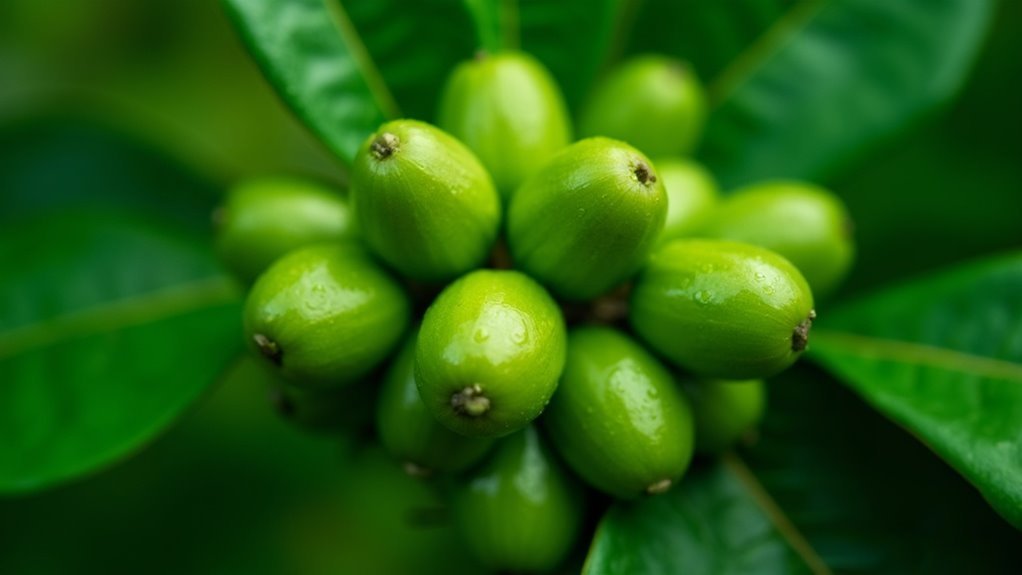
Yes, green coffee beans are technically edible, but they’re less flavorful than roasted beans. If not processed correctly, they may contain harmful chemicals, so sourcing is crucial. Due to their caffeine content, you might experience gastrointestinal distress or jitters. While they offer health benefits like improved metabolism and weight management, moderation is key. If you’re curious about their safety, health advantages, and ways to enjoy them, there’s plenty more to explore in the world of coffee.
Key Takeaways
- Green coffee beans are technically edible but are less palatable than roasted varieties, which are favored for their rich flavor and aroma.
- They may contain harmful chemicals, so proper processing and sourcing are essential for safety when considering their consumption.
- Eating green coffee beans can lead to gastrointestinal distress, including laxative effects and digestive discomfort, which may detract from the coffee experience.
- Moderate consumption of green coffee beans is advisable, and it’s always a good idea to consult a healthcare professional if you have any concerns regarding their safety or effects.
- Roasted beans are generally preferred for a familiar coffee experience, providing the delicious taste and aroma that coffee lovers enjoy.
What Are Green Coffee Beans?
Green coffee beans, which are the unroasted seeds of coffee cherries, provide a distinctive alternative to the more familiar roasted varieties.
These raw coffee beans have a milder flavor profile, often described as “grassy” or herbal, and exhibit higher acidity. They can be enjoyed in various forms, including whole, ground, powdered, or as capsules, with specific brewing methods tailored for each.
Rich in chlorogenic acid, green coffee beans are known for their antioxidant properties and potential benefits for metabolic health and weight management.
While technically edible, they’re generally less palatable compared to their roasted counterparts.
Are Green Coffee Beans Safe to Eat?
Are green coffee beans safe to eat? While they’re technically edible, there are some important considerations. Green coffee beans are less flavorful and harder to chew than roasted beans, often described as “grassy.”
Here are some key points to keep in mind:
- They may contain harmful chemicals compared to roasted beans.
- Lower palatability makes them less appealing for consumption.
- Proper processing and sourcing are essential for safety.
- They offer health benefits but should be approached with caution.
In general, it’s advisable to stick with roasted beans, which are widely regarded as safe to eat and provide the familiar coffee experience.
If you’re exploring the world of coffee, roasted beans will give you the flavor and enjoyment that coffee lovers expect.
Health Benefits of Green Coffee Beans
While many people savor the rich flavor of roasted coffee, green coffee beans present a unique array of health benefits that may capture your attention. They are abundant in chlorogenic acids, which are powerful antioxidants that may promote weight loss and enhance metabolic health. Research suggests that these acids can improve insulin sensitivity and help regulate blood sugar levels, making them beneficial for individuals with type 2 diabetes. Furthermore, the caffeine found in green coffee can boost physical performance and potentially improve brain function. Here’s a concise overview:
| Benefit | Description | Evidence Level |
|---|---|---|
| Weight Loss | Supports fat metabolism | Moderate |
| Cardiovascular Health | May reduce blood pressure and cholesterol | Preliminary |
| Brain Function | Potential for mood enhancement | Ongoing Research |
How to Consume Green Coffee Beans
When it comes to consuming green coffee beans, you have several options, from brewing them whole to using ground or powdered forms.
For a revitalizing drink, soak the beans overnight, then boil and simmer them; alternatively, steep ground beans in hot water for a quick brew.
Choosing high-quality coffee beans can enhance both flavor and health benefits, making your coffee experience even more enjoyable.
Brewing Methods Explained
Exploring various brewing methods can enhance your experience with green coffee beans, allowing you to enjoy their unique flavor profile.
Here are some effective techniques:
- Soak green coffee beans overnight in water for a milder taste, perfect for those who prefer a gentler flavor.
- Boil and simmer the beans for 15 minutes, then strain to create a robust and aromatic drink.
- For ground beans, steep them in hot water for 10 minutes to extract a rich flavor.
- Use medium-fine ground beans for ideal flavor extraction, ensuring a balanced and satisfying cup of coffee.
Experimenting with these methods can elevate your coffee experience and help you discover the nuances of green coffee beans.
Consumption Recommendations
Green coffee beans provide numerous consumption options that cater to various preferences and lifestyles for coffee enthusiasts. You can enjoy them whole, ground, or in powdered form, and even in convenient capsules.
To create a refreshing beverage, soak whole raw beans overnight, then boil and simmer them for about fifteen minutes. If you prefer ground beans, steep them in hot water for ten minutes using a medium-fine grind for the best flavor extraction.
Always prioritize quality by sourcing from reputable suppliers to enhance both taste and health benefits. Feel free to experiment with different brewing methods to discover what suits your palate best while ensuring a safe and enjoyable coffee experience.
Potential Risks of Eating Green Coffee Beans
When considering eating green coffee beans, it’s important to be aware of potential risks.
These beans can lead to gastrointestinal distress, as they may have a laxative effect.
Additionally, the caffeine content in green coffee beans can trigger jitters or anxiety, particularly if you’re sensitive to caffeine.
Always consult with a healthcare professional if you have concerns about incorporating green coffee beans into your diet.
Caffeine Sensitivity Concerns
Although many coffee enthusiasts appreciate the benefits of coffee, those with caffeine sensitivity should approach green coffee beans with caution. The caffeine content in green coffee beans is comparable to that of roasted beans, so moderation is crucial to prevent potential adverse effects.
Here are some important considerations:
- Symptoms such as jitters and anxiety may occur.
- The effects on blood pressure can be complicated due to the presence of both caffeine and chlorogenic acid.
- Gastrointestinal discomfort, including stomach upset, might arise.
- Excessive consumption of green coffee beans can lead to withdrawal symptoms.
If you’re sensitive to caffeine, it’s advisable to monitor your intake of green coffee beans closely to ensure your well-being and minimize any risks. Your safety should always be the top priority.
Gastrointestinal Distress Risks
Eating green coffee beans can lead to gastrointestinal distress for some individuals, primarily due to their chemical composition and caffeine content.
These unroasted coffee beans may cause stomach upset and nausea, particularly when consumed in excess. Additionally, their caffeine content can increase acid production, leading to digestive discomfort and heartburn.
Some people may even experience a laxative effect, resulting in diarrhea. If you’re sensitive to caffeine, you’ll want to be cautious, as green coffee beans can heighten anxiety and worsen digestive issues.
Consequently, moderation is essential to enjoy the benefits of green coffee beans while minimizing the risk of gastrointestinal distress.
Comparison of Green Coffee Beans and Roasted Coffee Beans
Green coffee beans and roasted coffee beans offer distinct experiences, each with unique flavors and health benefits.
While both are edible, you’ll find notable differences:
- Taste: Green beans have a grassy flavor, while roasted beans are richer and aromatic.
- Caffeine: Both contain caffeine, but roasting can alter its levels.
- Antioxidants: Roasted beans typically have more activated antioxidants, enhancing their health benefits.
- Digestibility: Roasted beans are easier to digest compared to the tougher green variety.
Choosing between them depends on your taste preference and desired health advantages.
For most coffee lovers, enjoying roasted coffee beans may be the safer and more satisfying option.
Popular Uses of Green Coffee Beans
While roasted coffee beans are a staple for many, green coffee beans have carved out a niche in various culinary and health applications. You can brew them into a milder, herbal-flavored beverage that offers a unique taste.
Ground green coffee beans are often added to health shakes, providing a boost of antioxidants and nutrients. Additionally, green coffee extract is popular in weight loss supplements due to its high chlorogenic acid content, which may support metabolic health.
Culinary enthusiasts even experiment with green coffee beans in baking, introducing an intriguing flavor profile to desserts while exploring their health benefits.