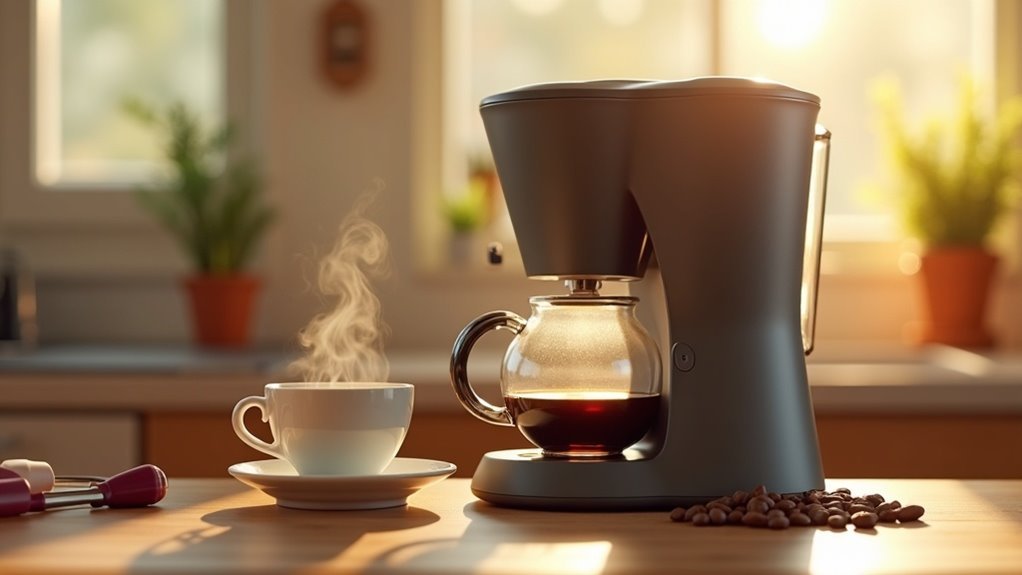
Plastic coffee makers may pose safety concerns when used with hot water. The heat can cause the plastic to leach harmful chemicals such as BPA and phthalates into your coffee, potentially increasing health risks. Furthermore, prolonged exposure to high temperatures can lead to microplastic contamination in your beverage. To minimize these dangers, consider alternatives like stainless steel or glass coffee makers. By being aware of these risks, you can make informed choices that not only protect your health but also enhance your coffee experience. Explore more about safer options and best practices for brewing delicious coffee.
Key Takeaways
- Plastic coffee makers can leach harmful chemicals like BPA and phthalates when exposed to hot water, which can affect the flavor and safety of your coffee.
- Heat accelerates plastic degradation, increasing the risk of toxic substance release into your brew.
- Using hot water above 200°F (93°C) can enhance the leaching of harmful materials from plastics, potentially impacting your coffee experience.
- Regular maintenance of your coffee maker is essential to prevent wear and reduce microplastic contamination in your brewed coffee.
- For a healthier coffee option, consider choosing BPA-free models or alternative materials like stainless steel or glass.
Understanding the Risks of Plastic in Coffee Makers
While the convenience of plastic coffee makers is appealing, it’s crucial to be aware of the potential risks that come with their use. The heat from brewing coffee can cause plastic components to break down, which may lead to the leaching of harmful chemicals such as BPA and phthalates into your drink.
Additionally, the brewing process can increase the release of microplastics, which may carry health risks, including hormonal disruptions. Some coffee makers utilize black plastic that could contain carcinogenic substances.
To minimize your exposure to these harmful chemicals, consider opting for coffee makers made from safer materials like stainless steel or glass. Prioritize your health by making informed choices about the materials used in your coffee brewing equipment.
How Heat Affects Plastic Components
When you brew coffee, the high temperatures can cause plastic components to break down, potentially leaching harmful chemicals into your drink.
Many plastics used in coffee makers don’t meet heat resistance standards, which increases the risk of degradation and microplastic contamination.
To ensure the best flavor and safety in your coffee, consider using coffee makers with fewer plastic parts or opting for materials like stainless steel or glass.
Enjoy your brew with peace of mind by choosing the right equipment!
Plastic Degradation Risks
Heat significantly affects the integrity of plastic components in coffee makers, leading to potential health risks. Continuous exposure to high temperatures can accelerate plastic degradation, resulting in harmful substances leaching into your coffee. Research indicates that commonly used plastics, like polycarbonate, may release BPA and other endocrine disruptors. To ensure safer coffee, it’s important to consider the risks associated with the repeated use and cleaning of plastic coffee makers.
| Risk | Impact |
|---|---|
| Plastic Degradation | Releases harmful chemicals |
| High Temperatures | Accelerates leaching |
| Repeated Usage | Increases contamination risk |
| Common Plastics | May contain BPA |
| Alternative Materials | Glass or stainless steel recommended |
Heat Resistance Standards
The integrity of plastic components in coffee makers is greatly influenced by their heat resistance standards.
While many plastics used in coffee machines are designed to endure heat, prolonged exposure to hot water can lead to degradation, increasing the risk of harmful substances leaching into your coffee.
High-quality food-contact plastics must comply with safety regulations to be free from BPA, BPS, and other chemicals, but some, like polycarbonate, are more prone to leaching at high temperatures.
Continuous use of your coffee maker can exacerbate this issue, leading to microplastic contamination in your brew.
Proper maintenance and cleaning of your coffee maker can help mitigate these risks and prolong the safety and quality of your coffee.
Potential Health Hazards From Leaching Chemicals
While many coffee enthusiasts appreciate the convenience of plastic coffee makers, it’s important to consider potential health hazards associated with leaching chemicals.
The heat from brewing coffee can cause plastic components to break down, which may result in the release of harmful substances such as BPA. This chemical has been linked to hormonal disruptions and various health complications.
Research indicates that prolonged exposure to heat can enhance the leaching of toxic materials, including heavy metals, into your coffee.
Furthermore, black plastic parts may harbor carcinogenic compounds that can leach out at high temperatures.
Regular use of these coffee makers may lead to an accumulation of these toxins, posing significant health risks, including cancer and neurological damage.
Therefore, prioritizing safety is crucial when selecting your coffee maker to ensure a healthier brewing experience.
Safer Alternatives: Materials That Minimize Risks
When considering safer alternatives for your coffee maker, stainless steel and glass options stand out by minimizing chemical risks associated with brewing.
Stainless steel is durable and resistant to damage, making it an excellent choice for long-lasting coffee equipment.
Glass, on the other hand, completely eliminates concerns about leaching during the brewing process.
Additionally, opting for manual brewing methods not only enhances the flavor of your coffee but also significantly reduces the likelihood of microplastic contamination, ensuring a safer and more enjoyable coffee experience.
Stainless Steel Benefits
Choosing a stainless steel coffee maker not only elevates your brewing experience but also significantly minimizes health risks associated with plastic options. The durability and corrosion resistance of stainless steel ensure that it won’t leach harmful chemicals, unlike many plastic components. This choice allows you to avoid BPA, leading to safer coffee consumption. Moreover, stainless steel excels at maintaining optimal temperature, enhancing both the taste and quality of your coffee. It’s also an eco-friendly option, as stainless steel is recyclable, helping to reduce plastic waste.
| Benefit | Stainless Steel |
|---|---|
| Health Safety | No leaching of toxins |
| Durability | Long-lasting performance |
| Eco-Friendly | Recyclable, reduces waste |
Glass Coffee Makers
Glass coffee makers are an excellent choice for coffee lovers who prioritize safety and purity in their brewing process. Unlike plastic coffee makers, glass doesn’t leach harmful chemicals into your brew, ensuring that your coffee remains uncontaminated and flavorful.
The non-reactive nature of glass keeps your coffee tasting fresh and clean. When paired with stainless steel or ceramic components, the risks associated with toxic substances from plastic are further minimized.
Additionally, using manual brewing methods with glass vessels not only allows you to enjoy a rich coffee experience but also supports eco-friendly practices by reducing plastic waste and the risk of microplastic contamination.
Cleaning glass coffee makers is easy, promoting their longevity and allowing you to enjoy great coffee without concerns about degradation over time.
Choose glass for a delicious and worry-free coffee experience.
Safe Brewing Techniques
Although many coffee enthusiasts appreciate the convenience of plastic coffee makers, adopting safer brewing techniques can significantly enhance your coffee experience.
Choosing stainless steel, glass, or lead-free ceramic coffee makers greatly reduces the risk of harmful chemical leaching when hot water is used.
Traditional brewing methods, such as French presses or pour-overs, that utilize non-plastic materials provide safer alternatives for coffee preparation.
Regular maintenance of your coffee equipment helps prevent plastic degradation, which minimizes the presence of microplastics in your brew.
Furthermore, using unbleached paper filters can effectively block microplastics from contaminating your coffee.
Ultimately, selecting coffee makers with fewer plastic components and BPA-free materials improves your brewing safety when using hot water.
The Role of Microplastics in Coffee Consumption
Microplastics, tiny plastic particles measuring less than five millimeters, can inadvertently find their way into your coffee during the brewing process.
When using plastic coffee makers, heat and pressure can cause these particles to leach into your beverage. Continuous use and cleaning may exacerbate material degradation, increasing microplastic contamination.
Research suggests that consuming microplastics poses potential health risks, including inflammation and hormone disruption.
To enjoy a cleaner cup of coffee, consider opting for glass or stainless steel brewing methods, which greatly reduce this risk.
Additionally, utilizing paper filters can help block microplastics, but it’s essential to choose non-leaching materials in your coffee makers to minimize exposure and protect your health while savoring your favorite brew.
Best Practices for Using Plastic Coffee Makers
When using plastic coffee makers, following best practices can greatly enhance your brewing experience while minimizing health risks.
Enhance your coffee experience and reduce health risks by following best practices for using plastic coffee makers.
Here are four essential tips:
- Choose BPA-free models: Verify that your coffee maker features food-safe plastic elements to reduce chemical leaching.
- Maintain regularly: Clean your coffee maker to prevent wear, which can lead to microplastic release.
- Monitor water temperature: Brew with hot water not exceeding 200°F (93°C) to limit toxin leaching.
- Use unbleached paper filters: These help block microplastics from entering your coffee.
Choosing Non-Toxic Coffee Makers
Choosing the right coffee maker can significantly influence both your health and the flavor of your coffee. To ensure a safe brewing experience, opt for models constructed from stainless steel or glass, as these materials reduce the risk of chemical leaching. Here’s a quick overview:
| Material Type | Benefits |
|---|---|
| Stainless Steel | Minimizes toxic leaching |
| BPA-Free Plastic | Less harmful, but always check labels |
| Manual Methods | Typically have fewer plastic components |
For the healthiest choice, select coffee makers with minimal plastic parts and perform regular maintenance to reduce microplastic contamination. If you’re looking for the safest option, consider manual brewing methods such as French presses, which usually involve little to no plastic.
The Importance of Consumer Awareness and Action
How aware are you of the materials in your coffee maker? Understanding your coffee maker’s components is crucial for your health and the quality of your brew.
Awareness of your coffee maker’s materials is essential for both your health and the quality of your brew.
Here are some important points to consider:
- Plastics used in coffee makers can leach harmful chemicals when heated.
- Substances like BPA and PFAS may contaminate your coffee.
- Microplastics could find their way into your cup.
- Safer alternatives, such as stainless steel and glass, are available.
By increasing consumer awareness, there’s a growing demand for non-toxic coffee-making options, encouraging manufacturers to innovate.